Canadian forest genetics leaders gather to shape the future of resilient forests
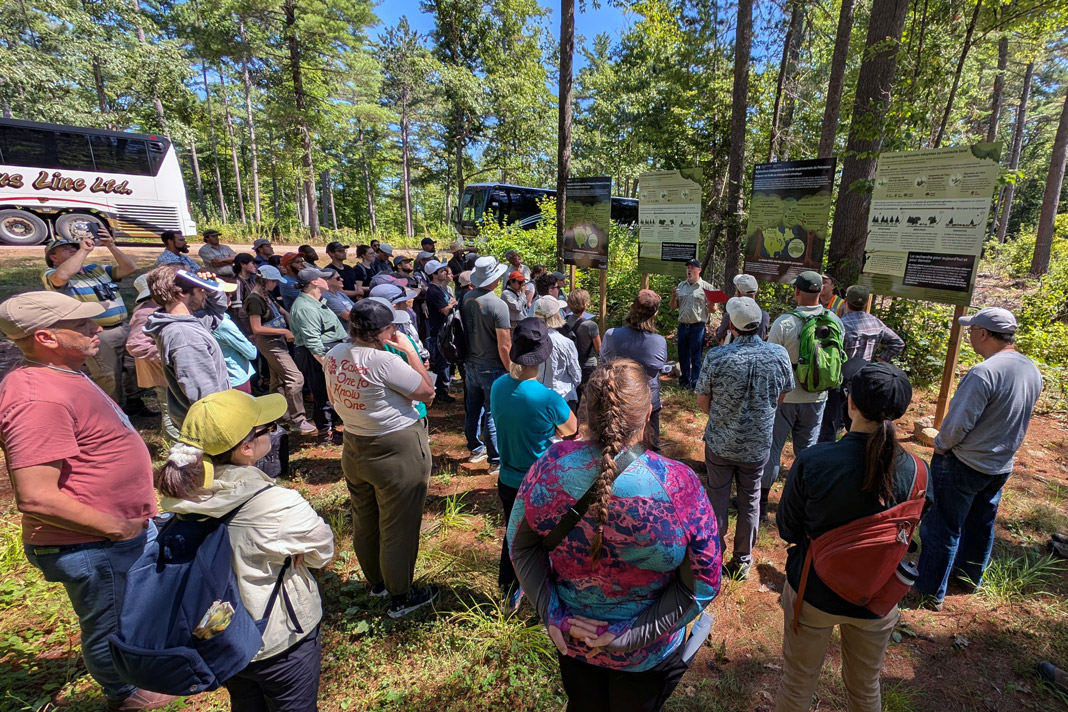
At the Forest Genetics 2025 conference in Ottawa, Canada, participants highlighted advances in genetic research, seed management, and conservation, promoting collaboration to ensure diverse, climate-resilient forests for future generations across the country.
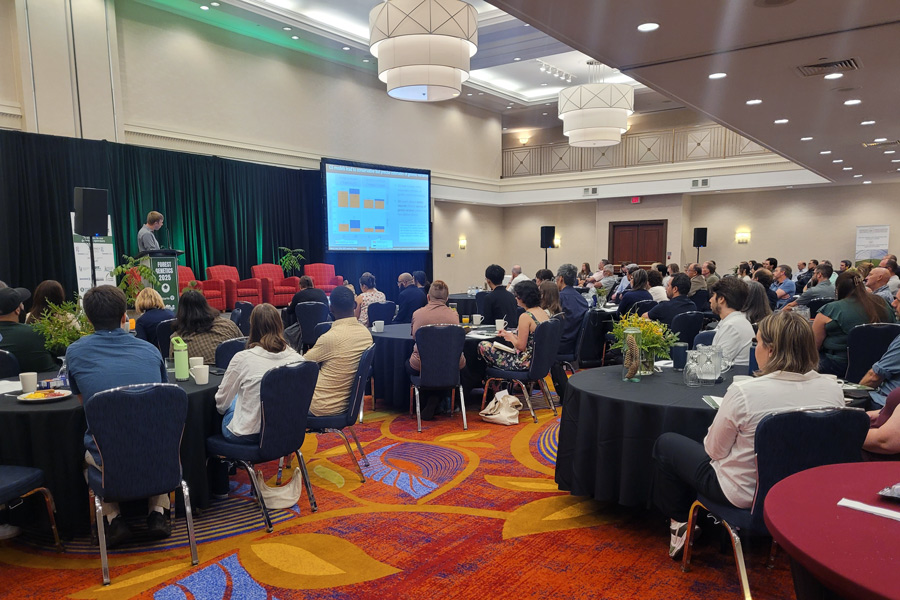
Ontario was pleased to host Forest Genetics 2025 in Ottawa last August, bringing together researchers, practitioners, students, Indigenous representatives, policymakers, and forest sector leaders from across Canada and internationally. Organised by the Canadian Forest Genetics Association (CFGA), the meeting took place under the theme “Building resilience through forest genetic resource management and collaborative action” and highlighted the critical role that forest genetics plays in supporting healthy, productive, and climate-resilient forests for future generations.
The conference showcased the remarkable breadth of work underway within Canada’s forest genetics community and beyond. Presentations explored advances in genomic selection, assisted migration, seed transfer modelling, genetic conservation, climate adaptation, pest and disease resistance, and seed orchard management. Across all sessions, a common message emerged: collaboration and long-term investment in genetic resource management are essential to sustaining forests in a rapidly changing climate.
A keynote presentation by Dr Patrick Lenz focused on the evolution of genomic selection from a research concept to an operational application, demonstrating how advanced modelling approaches are improving breeding programmes and helping practitioners respond to increasingly complex environmental pressures. Additional presentations emphasised the importance of climate-informed seed sourcing, adaptive management strategies, and the integration of genomic tools into practical forest management.
The meeting also highlighted the growing importance of conservation planning for tree species and genetic diversity across Canada. Researchers presented innovative approaches for identifying vulnerable populations, supporting species-at-risk recovery, and improving conservation outcomes under future climate scenarios. Discussions reinforced that conserving genetic diversity is fundamental to maintaining ecosystem resilience and adaptability.
One of the most encouraging aspects of Forest Genetics 2025 was the strong participation of students and early-career professionals. Student presentations and posters demonstrated exceptional innovation and leadership, underscoring the bright future of forest genetics research in Canada. The CFGA was proud to recognise several outstanding student contributions through conference awards and travel support initiatives.
Kerry McLaven, President of the Canadian Forest Genetics Association, highlighted the strong enthusiasm, expertise and collaborative spirit demonstrated throughout the week. Forest Genetics 2025 reaffirmed that Canada has a strong and growing community committed to ensuring its forests remain diverse, resilient and productive in the face of climate change. Together, the community is building the scientific knowledge, partnerships and practical tools needed to support sustainable forest management and conservation for generations to come.
To explore the content in more depth, please visit the Canadian Forest Genetics Association website here. Planning for the next conference is already underway, with the event set to take place in Atlantic Canada in summer 2027.
This article was originally written by Kerry McLaven, President, and Lahcen Benomar, Vice President of the Canadian Forest Genetics Association.