Spain strengthens forest resilience with new national network for forest genetic conservation
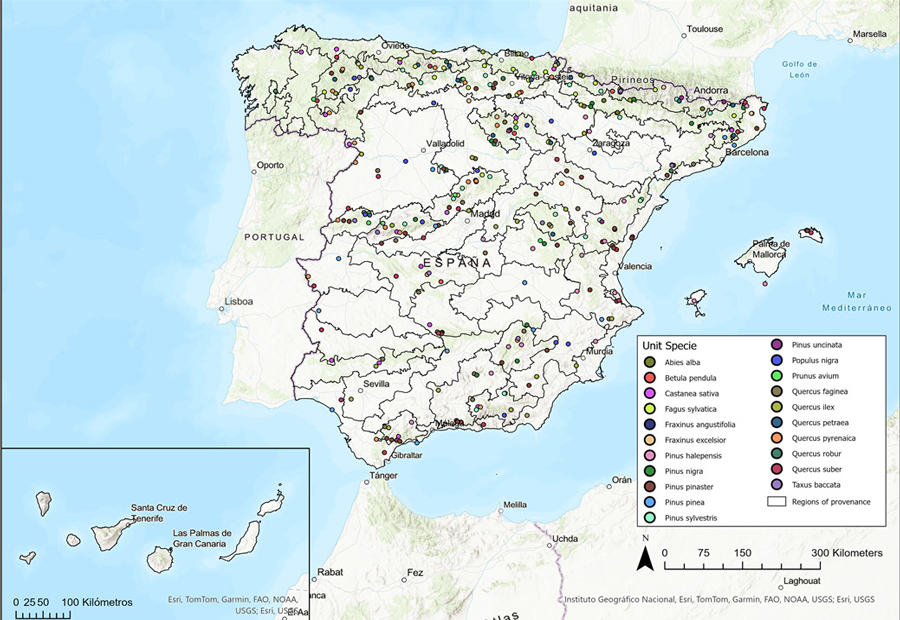
Spain has strengthened its National Network of Genetic Conservation Units, designating 298 forest areas across 20 tree species to safeguard genetic diversity, supporting restoration, breeding and resilient forest management amid environmental change.
Spain has taken a major step towards safeguarding the future of its forests by strengthening its National Network of Genetic Conservation Units. A Genetic Conservation Unit (GCU) is a forest area formally designated for the protection of forest genetic resources (FGR) of forest tree species. The network, described in a new paper published in Forest Systems, represents a comprehensive effort to integrate genetic conservation into forest management and policy.
Spain’s proposed GCU network currently comprises 298 in situ GCU and 32 backup units, covering 20 key forest tree species, including pines, oaks, beech, chestnut, and yew. These units have been selected across the species’ natural distribution ranges to capture genetic variation associated with different environmental conditions. The long-term ambition is to extend the network to all 62 forest tree species listed under Spain’s national regulation for forest genetic resources.
The network also provides valuable information for forest restoration, tree breeding, and sustainable forest management. By improving understanding of genetic variation within and between populations, GCU can serve as reference material to verify the origin of forest reproductive material (FRM) and guide the selection of genetically diverse planting stock. This is particularly important as countries seek FRM that can withstand increasingly challenging environmental conditions.
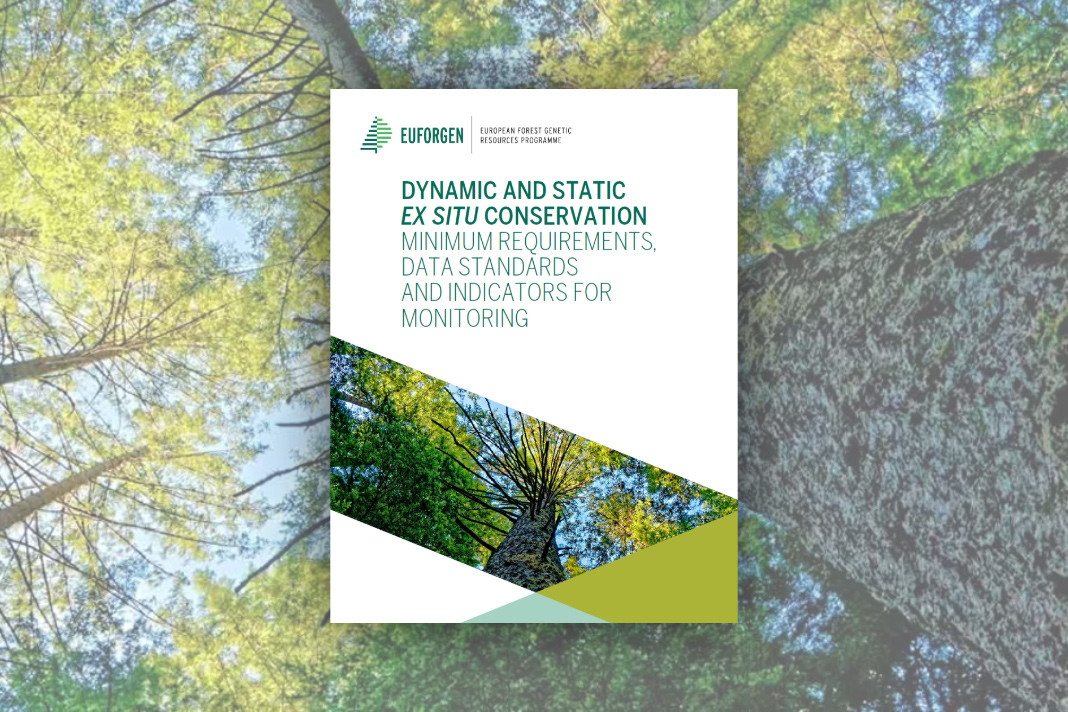
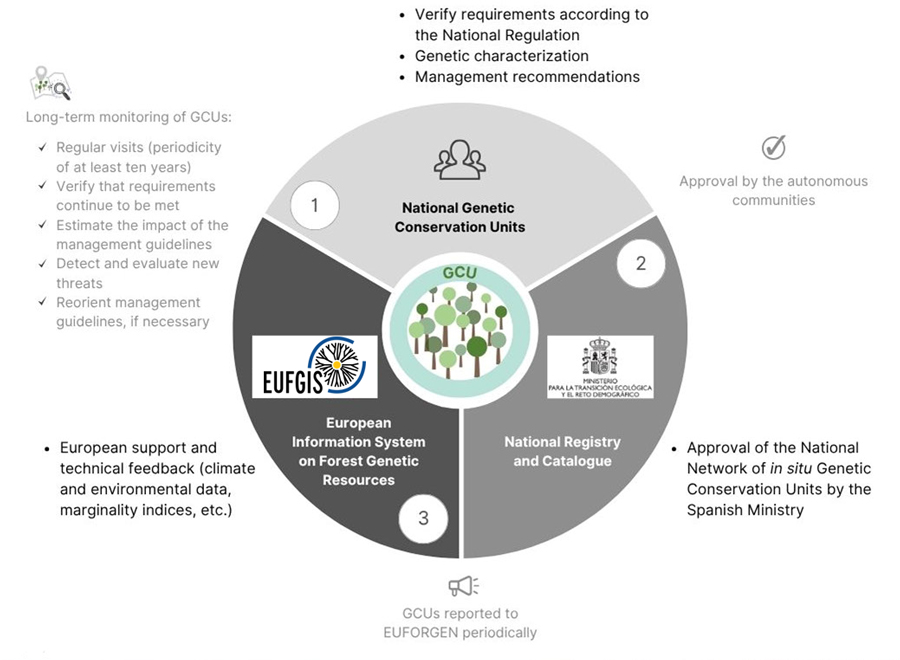
The Spanish network builds on decades of European cooperation in forest genetic conservation through EUFORGEN, of which Spain has been a Member Country since 1995. EUFORGEN has developed the European Information System on Forest Genetic Resources (EUFGIS), the only transnational information system on FGR in Europe. It currently contains information on more than 3500 Genetic Conservation Units (GCUs) of 118 tree species from 37 European countries.
Spain’s GCU network is rooted in a Royal Decree on the conservation and sustainable use of forest genetic resources and wild flora and is coordinated by the Ministry for the Ecological Transition and the Demographic Challenge (MITECO). It is implemented through close collaboration with regional governments, research institutions, forest managers, and other stakeholders.
Looking ahead, Spain’s National Network of Genetic Conservation Units will continue to evolve through monitoring, research and collaboration. Approved units will be revisited regularly to assess their condition, evaluate emerging threats, and update management recommendations where necessary. By combining genetic science, practical forest management and multi-level governance, the initiative offers a model for conserving forest genetic resources under a changing environment.
Citation
Callejas-Díaz, M; Auñón, FJ; Olsson, S; Chambel, MR; Barba, D; Notivol, E; García del Barrio, JM; Pérez, F; Grivet; D (2026). The Spanish Network of Genetic Conservation Units: a cooperative tool for the conservation and sustainable use of forest genetic resources under a changing environment. Forest Systems, Volume 35, Issue 1, 20987.