EUFORGEN report sets out standards for ex situ conservation of forest genetic resources
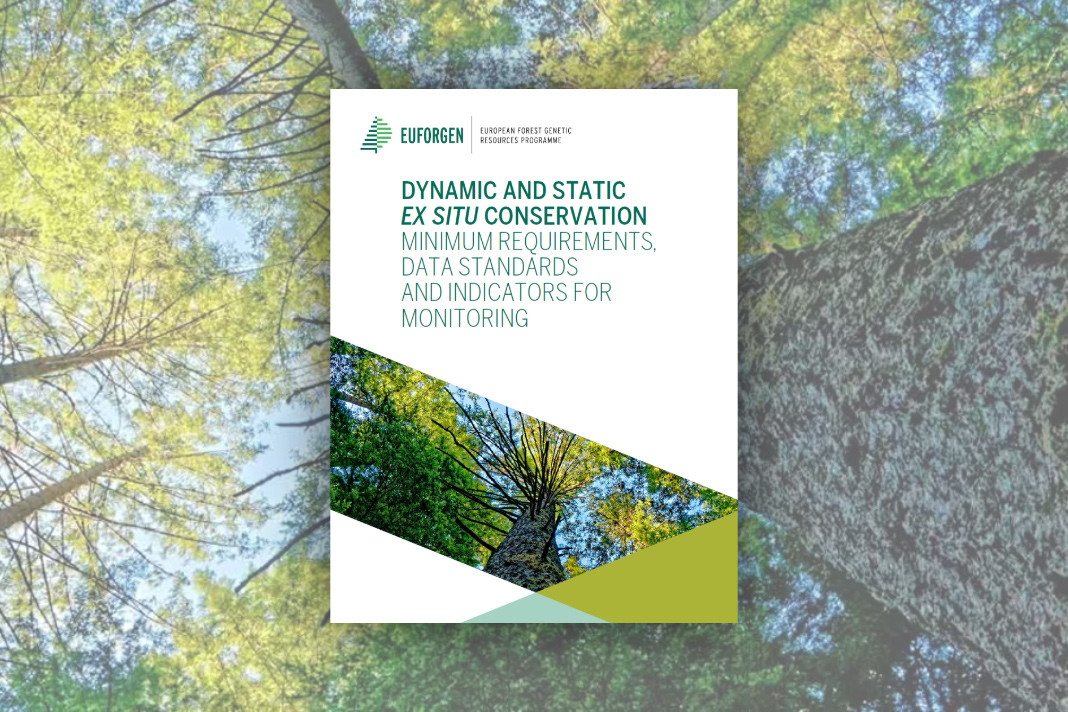
EUFORGEN has published a report harmonising how European countries conserve forest genetic resources within and outside their natural habitats, establishing common minimum requirements, data standards, and proposing monitoring indicators for dynamic and static ex situ conservation.
As pests, diseases, wildfires, floods, habitat loss, and climate change place mounting pressure on natural tree populations, conserving forest genetic resources within and outside their native ranges has become an essential complement to in situ conservation. A report published by EUFORGEN in June 2026, Dynamic and static ex situ conservation: minimum requirements, data standards and indicators for monitoring, offers a practical framework to meet this challenge.
In situ conservation, which protects genetic diversity in the species' natural habitat, remains the main approach. But ex situ measures, which protect genetic resources within or outside their natural ranges, provide vital support when populations face rapid environmental change. Until now, European countries have applied widely differing ex situ methods, making coordinated action across the continent difficult.
Developed through the collective expertise of the EUFORGEN network, the report fills that gap. Prepared by two Working Groups following mandates from the Steering Committee, it clarifies key terminology, establishes minimum requirements and data standards, and proposes indicators for monitoring both dynamic and static ex situ conservation approaches. These are designed for future integration with the European Forest Genetic Resources Information System (EUFGIS) and other related initiatives.
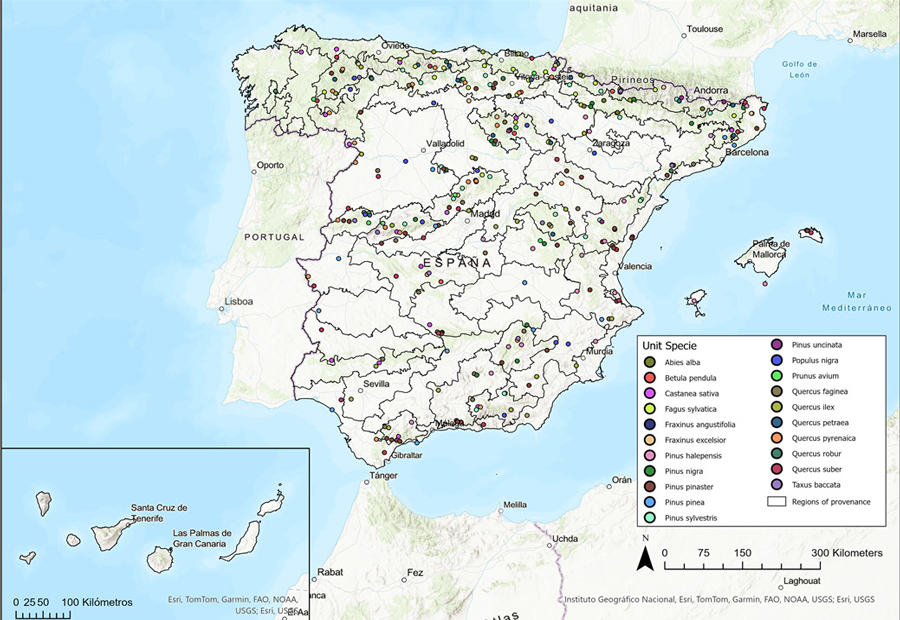
The report also presents the wide range of practices already in use across Europe, from living collections and seed orchards to long-term storage such as cryopreserved germplasm, and introduces new terminology for genetic conservation units that may be at risk.
Ultimately, the report is a call to collective action. Aimed at policymakers, forest managers, researchers, and the technical staff who run gene banks and genetic conservation units, it sets out shared definitions and harmonised principles for a more coherent European system. Its success, however, will depend on the commitment of all these actors to put into practice and to provide the financial, human, and institutional resources that effective conservation demands.
The report is available to download here.
Citation
EUFORGEN. Dynamic and static ex situ conservation: minimum requirements, data standards and indicators for monitoring. 2026, European Forest Institute. https://doi.org/10.36333/rs17