FOREST EUROPE Ministerial Conference sets renewed direction for resilient and diverse forests in Europe
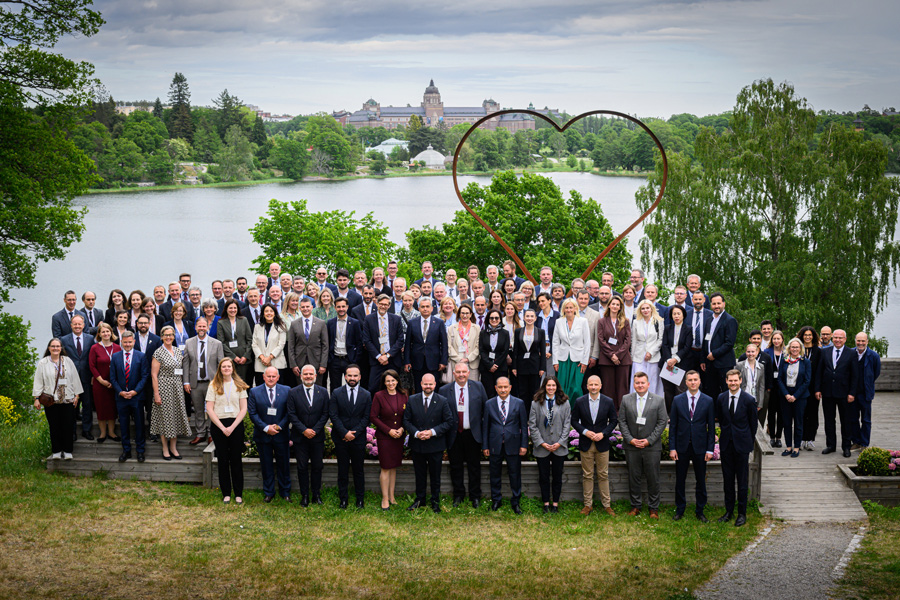
The Stockholm Ministerial Declaration highlights Europe’s renewed commitment to sustainable forests, recognising genetic diversity and EUFORGEN, while promoting adaptive management, enhanced cooperation, stronger data systems, and increased long-term investment in resilience.
Ministers from across Europe have reaffirmed their commitment to sustainable forest management, highlighting the critical importance of forest genetic diversity and recognising the role of EUFORGEN in strengthening forest resilience across the region.
During the 10th FOREST EUROPE Ministerial Conference, held in Stockholm, Sweden, on 2–3 June 2026, ministers responsible for forests signed the Stockholm Ministerial Declaration, titled Sustainable Forests for Resilient Societies. The declaration acknowledges the pressing need to strengthen climate change adaptation and confirms the vital contribution of the EUFORGEN Programme to the conservation and sustainable use of forest genetic resources.
Addressing environmental and socio-economic pressures
The Stockholm Ministerial Declaration reinforces Europe’s shared commitment to sustainable forest management within a rapidly shifting environmental and socio-economic context. The document highlights the growing pressures placed on ecosystems by climate change, natural disturbances, and extreme events, calling for the widespread adoption of adaptive management approaches.
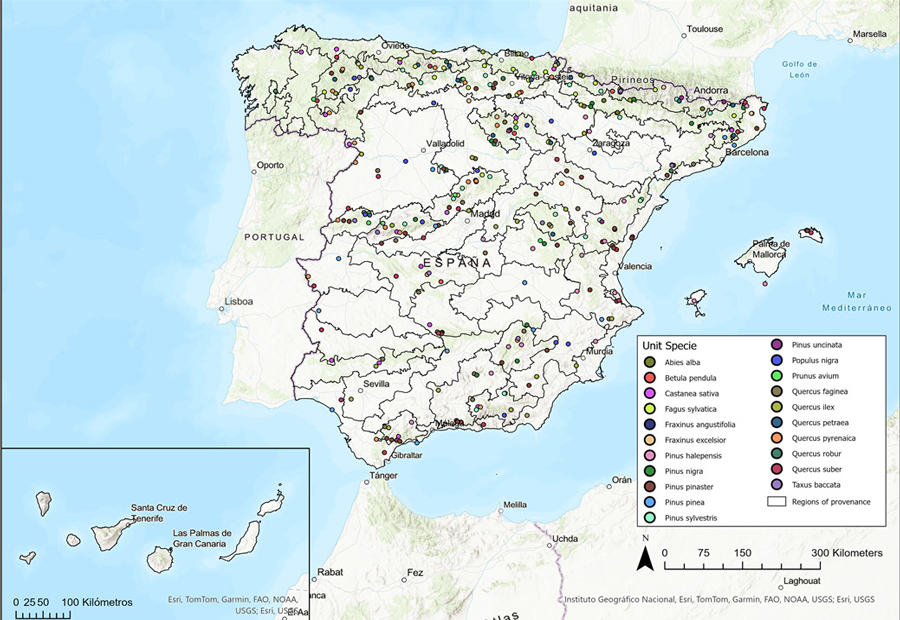
Signatories formally recognised the importance of conserving forest genetic resources, welcoming the ongoing contributions of EUFORGEN and its European Information System on Forest Genetic Resources (EUFGIS) in supporting evidence-based decision-making.
The positions of the FOREST EUROPE Signatories are:
“WELCOMING the progress achieved through EUFORGEN […] with EUFORGEN advancing the conservation, characterisation, sustainable use and monitoring of forest genetic resources in Europe[…]. In this regard WELCOMING the enhancement of the European Information System on Forest Genetic Resources (EUFGIS) managed by EUFORGEN.”
“strengthen the resilience of forests and the forest sector in the pan-European region. In this regard, support the conservation of forest genetic resources in the pan-European region by contributing to the work of EUFORGEN on the characterisation of forest genetic resources in EUFGIS […].”
The link between genetic diversity and adaptation
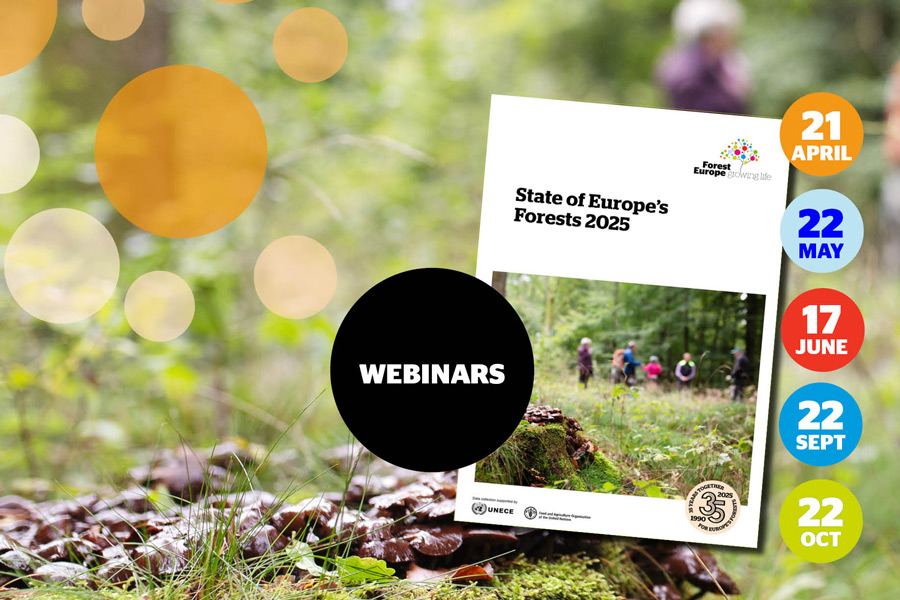
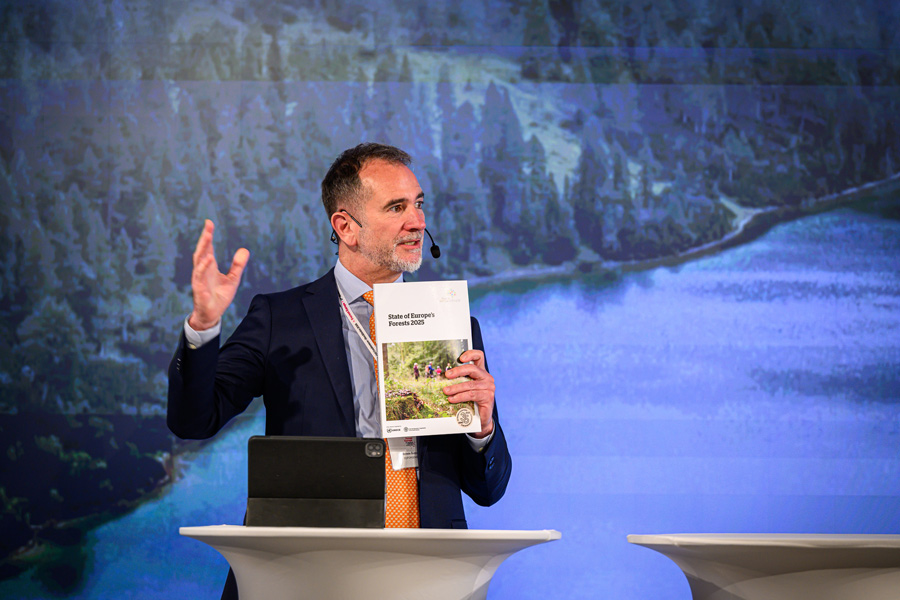
Speaking during the conference, Michele Bozzano contributed to the presentation of the State of Europe’s Forests 2025 report. He emphasised that future forest resilience will depend fundamentally on the capacity of ecosystems to adapt to environmental shifts.
Bozzano noted that this adaptive capacity is intrinsically linked to genetic diversity, which enables forests to respond effectively to evolving climatic conditions, disturbances, and emerging risks. Consequently, strengthening this diversity is deemed essential to securing long-term resilience and sustainability.
Key priorities for future cooperation
Conference discussions focused on several strategic areas required to support robust forest ecosystems across the continent:
- Data and monitoring: Improving information systems and data collection to enhance risk management.
- Cross-border cooperation: Strengthening collaboration across sectors and countries, harnessing Forest Europe’s established implementation mechanisms, EUFORGEN and FoRISK, for knowledge exchange and coordinated action.
- Policy coherence: Aligning priorities across different sectors, with specific attention given to climate change impacts, biodiversity conservation, and the role of forests in supporting a sustainable, circular bioeconomy.
- Long-term investment: Committing to sustained investments in forest resilience over the long term.
Held under the Swedish Chairmanship, the conference brought together ministers, national delegations, international organisations, scientists, NGOs and representatives from the forest sector. The event provided a collaborative platform to exchange experiences, align national priorities, and reinforce regional cooperation on forest-related challenges.