EUFORGEN webinar: Dynamic and static ex situ conservation – minimum requirements, data standards, and indicators
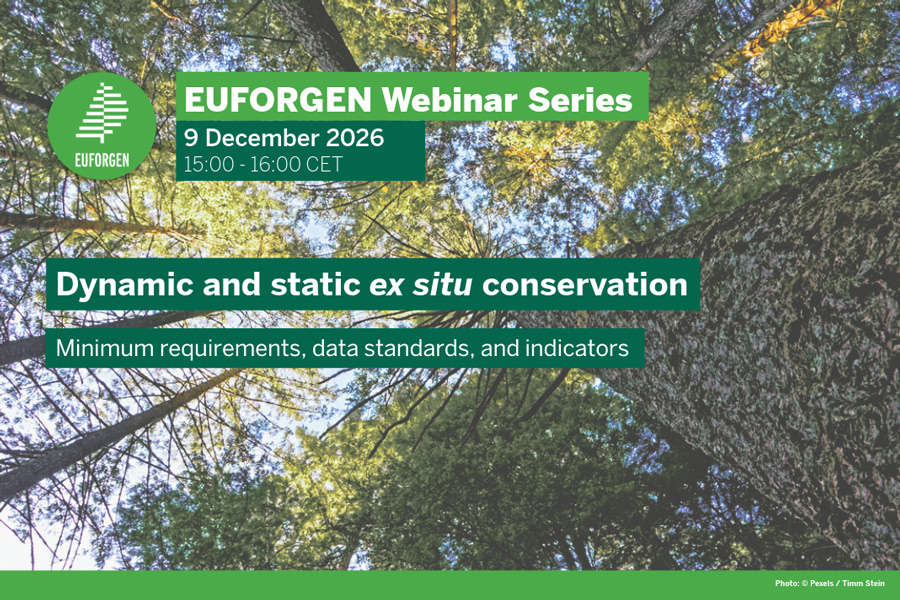
9 December 2026 (15:00 - 16:00 CET). Online
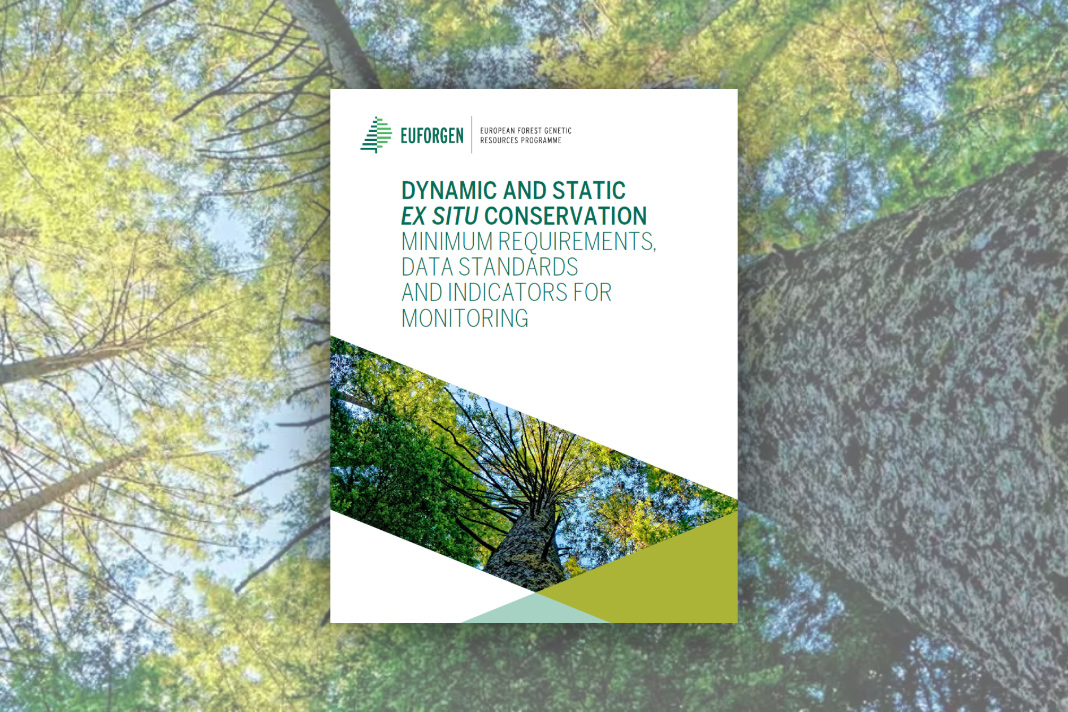
EUFORGEN is pleased to invite you to a webinar presenting the report Dynamic and static ex situ conservation: minimum requirements, data standards and indicators for monitoring, published in June 2026 to support a more coherent European approach to conserving forest genetic resources.
As pests, diseases, wildfires, floods, habitat loss, and climate change put growing pressure on natural tree populations, ex situ conservation has become an essential complement to in situ approaches. Yet until now, European countries have applied widely differing methods. Developed by two EUFORGEN Working Groups, the report sets out shared definitions and harmonised principles to help close that gap.
Join our guest speaker, Jan-Peter George of the Natural Resources Institute Finland (Luke), for an accessible overview of the report and an open Q&A session. Participants will gain insights into:
- How the report clarifies key terminology, including new terms for genetic conservation units that may be at risk.
- Which minimum requirements and data standards it establishes, and how they are designed for future integration with EUFGIS and related initiatives.
- Which indicators it proposes for monitoring both dynamic and static ex situ conservation.
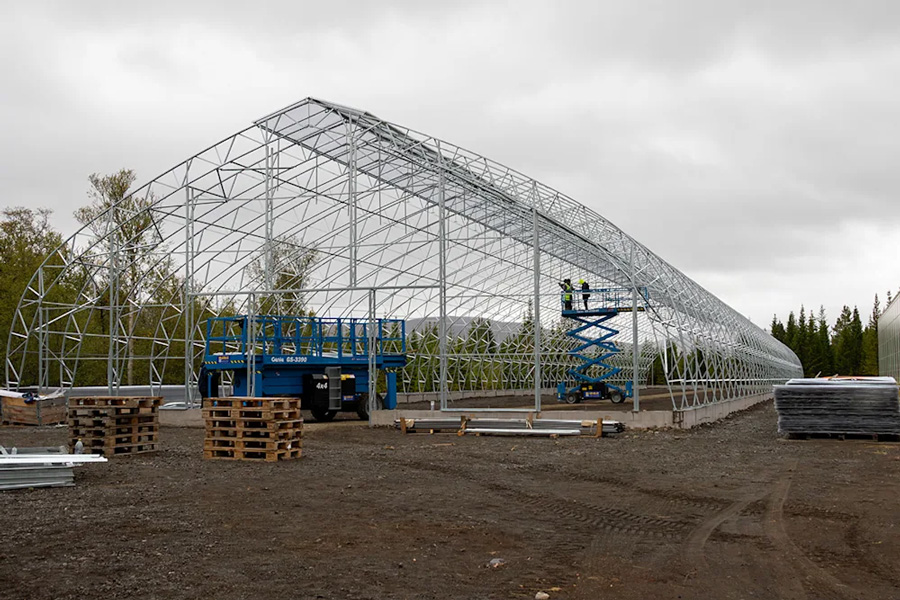
- How practices already in use across Europe range from living collections and seed orchards to cryopreserved germplasm.
Do not miss this chance to see how shared standards can help policymakers, forest managers, researchers, and the technical staff of gene banks and genetic conservation units work together to conserve Europe’s forest genetic diversity.
-----------------------------------------------------------------------------------------------------------------------------------------------------------------
The recording of the webinar will be made available on YouTube after its completion.
Want to know more about the EUFORGEN Webinar series? You can now check out all the topics we’ve covered at this link or follow us on YouTube and explore all the recordings!