DIVERSE_GENE_WATCH: building an early warning system for genetic diversity loss in Baltic Sea forests
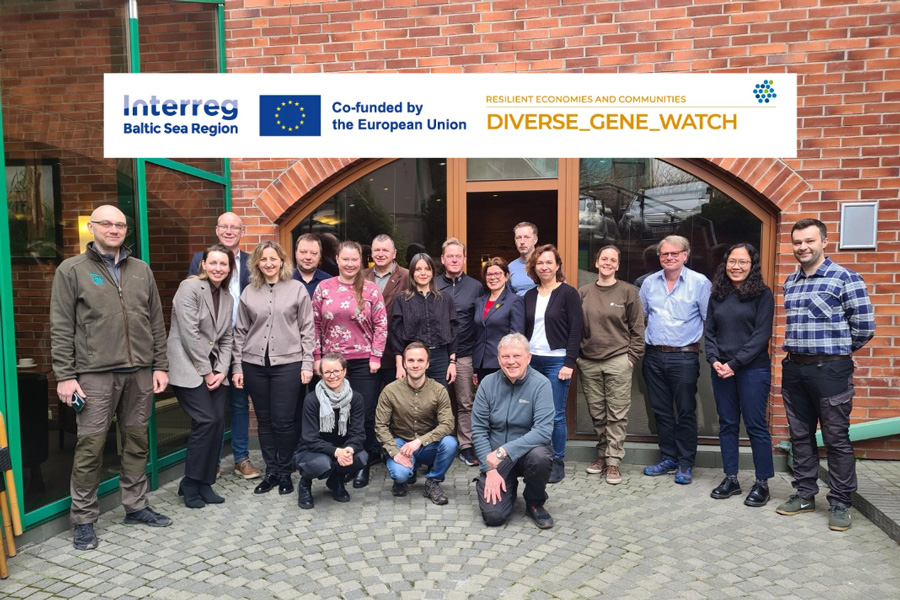
DIVERSE_GENE_WATCH is building a forest genetic monitoring system for the Baltic Sea Region, piloting DNA-based, phenological, and remote sensing methods in six countries. Stakeholders are invited to take its survey.
How can we detect changes in forest genetic diversity before they threaten the long-term resilience of forest tree populations? This is the question driving DIVERSE_GENE_WATCH, an Interreg Baltic Sea Region project developing a durable, transnational Forest Genetic Monitoring (FGM) system to help build more resilient forests around the Baltic Sea.
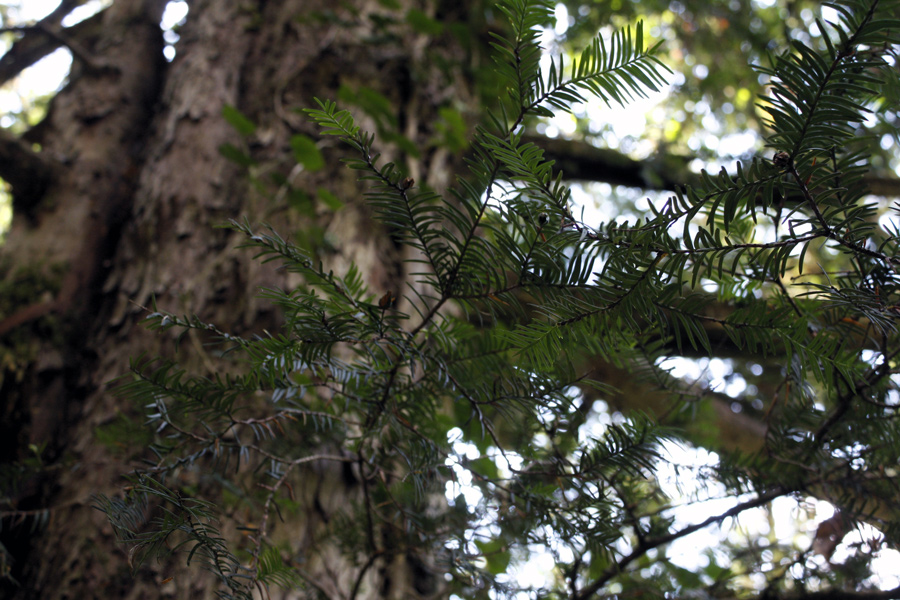
The project brings together research institutions and forest authorities across the region and focuses on four tree species: pedunculate oak (Quercus robur), Norway spruce (Picea abies), European ash (Fraxinus excelsior), and small-leaved lime (Tilia cordata).
Building on existing genetic conservation units (GCUs) documented in the European Forest Genetic Resources Information System (EUFGIS), DIVERSE_GENE_WATCH explores how genetic monitoring can be integrated into established gene conservation networks. It also aims to complement existing information on population structure, management, and conservation status across Baltic Sea countries.
Guidelines and management scenarios
The project has published genetic monitoring guidelines that outline methods combining DNA-based genotyping, phenotyping, and remote sensing to assess genetic diversity. It has also developed scenarios and forest management plans that explore practical approaches to maintaining and enriching genetic diversity and supporting the adaptive potential of forest tree populations.
Pilots in six countries
DIVERSE_GENE_WATCH is now piloting its monitoring methods in Denmark, Estonia, Latvia, Lithuania, Poland, and Sweden. Partners have nearly completed DNA sampling, and laboratory analyses are underway. The project will also carry out phenological observations and remote sensing analyses to assess seasonal tree development and to explore how these methods can complement DNA-based monitoring.
Further workshops and stakeholder activities are planned to share results from the pilots and gather feedback. This input will support the finalisation of the forest genetic monitoring system and its implementation manual for the Baltic Sea Region.
Have your say
Researchers, managers of genetic conservation units, national forest authorities, forest monitoring agencies, forest owners and managers, and other professionals working in forest genetic resource conservation are invited to complete the DIVERSE_GENE_WATCH stakeholder survey. Respondents can share their interests and stay up to date with project news, upcoming events, and engagement opportunities.
Further information: Project webpage | LinkedIn | Facebook
DIVERSE_GENE_WATCH is co-funded by the European Union through the Interreg Baltic Sea Region Programme 2021–2027.