EUFORGEN presents new dissemination products on forest reproductive material to EU Forest Directors-General
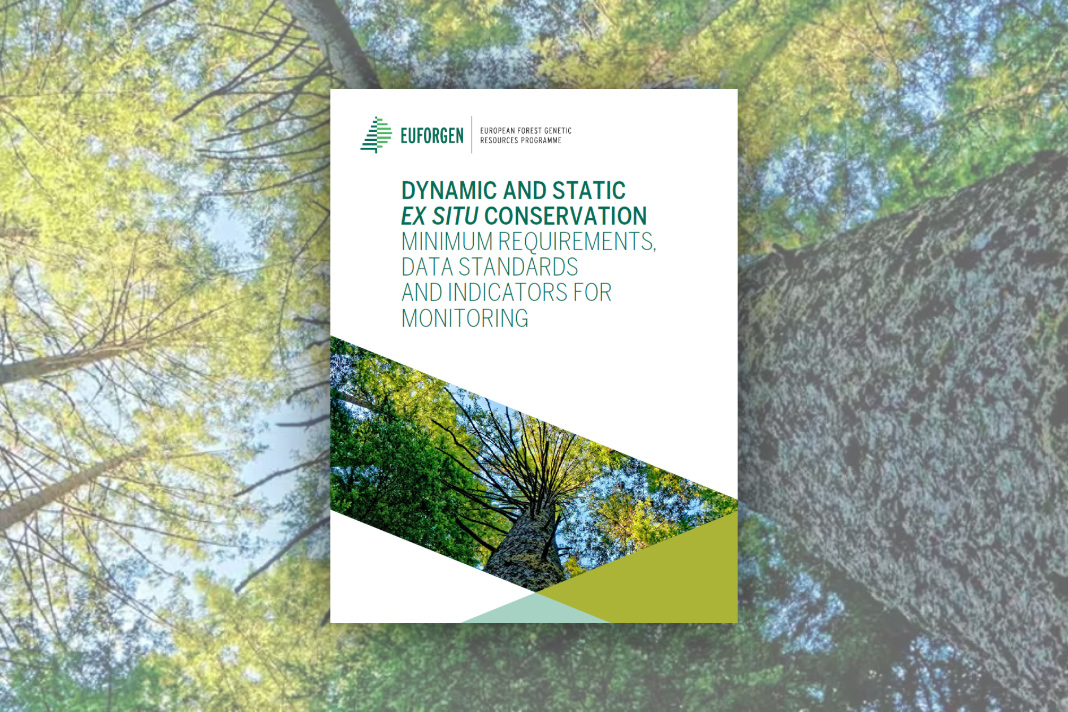
EUFORGEN presented the illustrated publication series ‘Focus on forest genetic diversity – Producing and using forest reproductive materials’, which translates scientific findings from a 2021 report into practical guidance for forest owners and managers, seed and nursery practitioners, and policymakers.
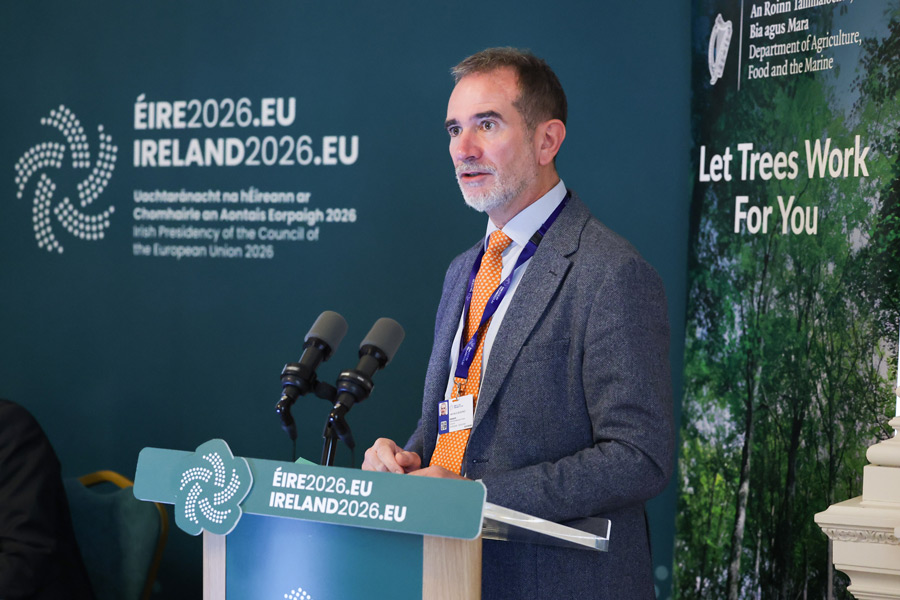
The decisions made today about which seeds are collected, produced, and planted will influence the health and resilience of Europe’s forests for decades to come. This message was central to EUFORGEN’s contribution to the Informal Meeting of Forest Directors-General, hosted by the Irish Presidency of the Council of the EU in Dublin on 20–22 October 2026.
EUFORGEN Coordinator Michele Bozzano joined heads of national forest administrations from across the EU to discuss how forests can continue to provide environmental, social, and economic benefits while adapting to climate change.
From seed to forest: why genetics matter
EUFORGEN featured in the first thematic session on sustainable and resilient forest management, with a focus on forest genetic resources. The session opened with contributions from Ireland’s Department of Agriculture, Food and the Marine, and Professor Áine Ní Dhubháin of University College Dublin, Chair of the COFORD Council.
Bozzano then addressed the Directors-General, highlighting how genetic diversity influences the ability of forests to survive, adapt, and remain productive under changing conditions. He emphasised that decisions throughout the production chain, from seed source selection to forest establishment, can have lasting consequences for forest resilience.
“If we want to accelerate the transition of existing and new forests towards climate resilience, we must make genetic diversity and adaptive potential explicit considerations in forest management and regeneration decisions”, he stated.
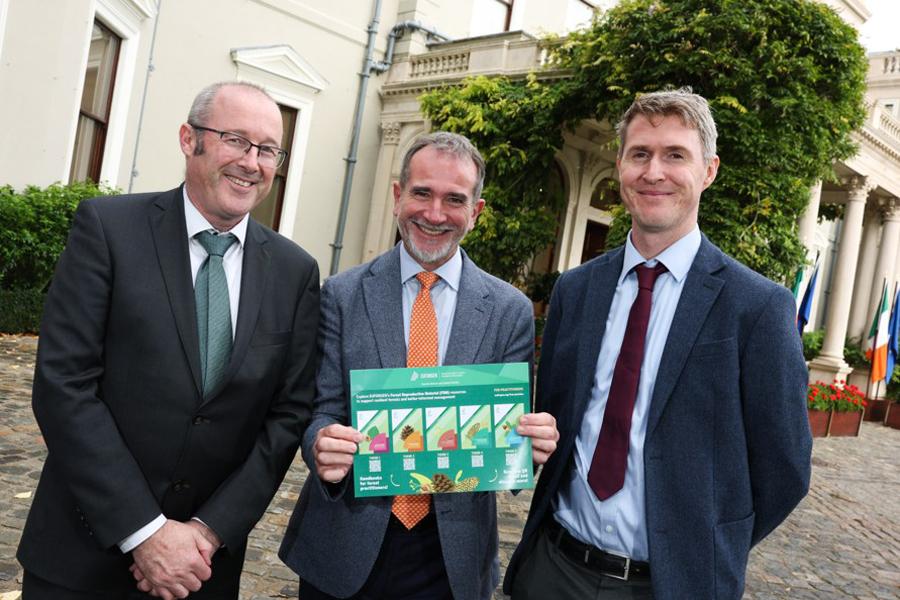
To bridge the gap between science and practice, Bozzano presented EUFORGEN’s illustrated publication series Focus on forest genetic diversity – Practical considerations for the production and use of forest reproductive material. With the first publication launched in 2024, the series now comprises five thematic handbooks, including three new themes published this year and presented for the first time at a high-level policy event. Each theme approaches elements of the forest reproductive material production chain from a different perspective where good practice can make a real difference for genetic diversity.
The series translates the findings of EUFORGEN’s 2021 report, Genetic aspects linked to production and use of forest reproductive material, into accessible guidance for forest owners and managers, seed collectors, and nursery operators. For policymakers, the handbooks are complemented by a policy brief and policy summary with recommendations for integrating genetic considerations into forest policy and management.
Together, these resources provide practical guidance on how genetic considerations can be incorporated into everyday decisions on forest reproductive material, helping to maintain diverse and adaptable forests across Europe.
A shared European challenge
Following the presentations, discussion centred on two questions: how to accelerate the transition of existing and newly established forests towards greater climate resilience, and how EU-level policies could support it. Several delegations stressed the need for genetically diverse, high-quality forest reproductive material and highlighted the value of European collaboration, including through EUFORGEN’s work.
As climate change continues to affect forests across Europe, the choice of reproductive material is increasingly recognised as a strategic issue. By helping countries turn scientific knowledge into practical action, EUFORGEN will continue to support efforts to build resilient forests for future generations.
Discover the full series, policy brief, and policy summary on the EUFORGEN forest reproductive material page.