EU Access and Benefit-Sharing Regulation in practice: new guidance for forest genetic resources research
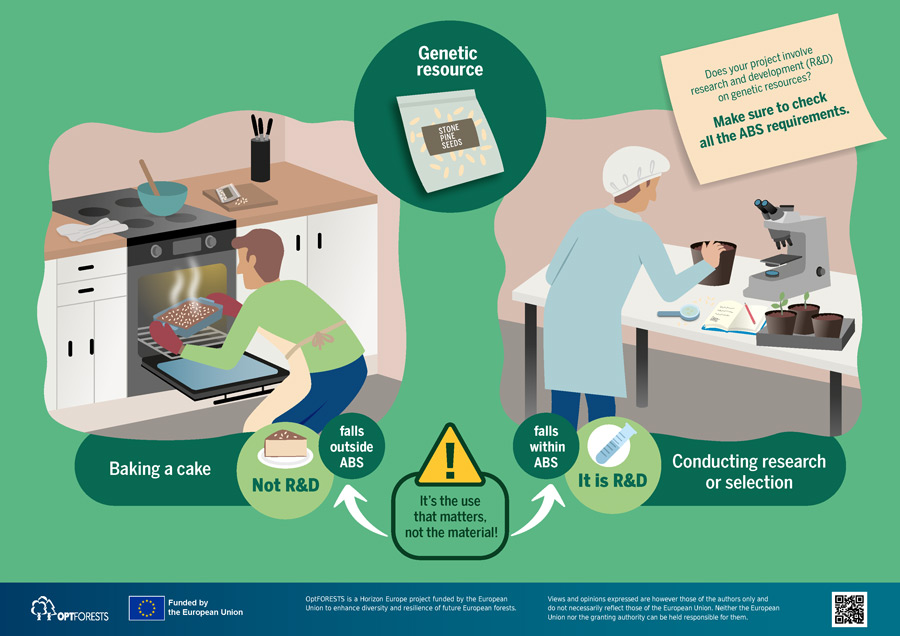
A new OptFORESTS resource explains when the EU ABS Regulation applies to research on forest genetic resources, and what to do about it, with a flowchart, worked examples, and downloadable illustrations.
Researchers working with forest genetic resources often face the same question: does the EU Access and Benefit-Sharing (ABS) Regulation apply to my work, and if so, what must I do? The rules, set out in Regulation (EU) No 511/2014 and implementing the Nagoya Protocol, ensure that benefits arising from the use of genetic resources are shared fairly with the countries providing them.
A new online resource developed by the OptFORESTS project sets out the answers in practical terms. It explains the six criteria that determine whether a project falls within the scope of the Regulation, from the access date to the nature of the research activity, and describes a five-step compliance process: identifying the provider country's requirements, obtaining Prior Informed Consent and Mutually Agreed Terms, complying with permit conditions, managing material transfers, and keeping records for 20 years.
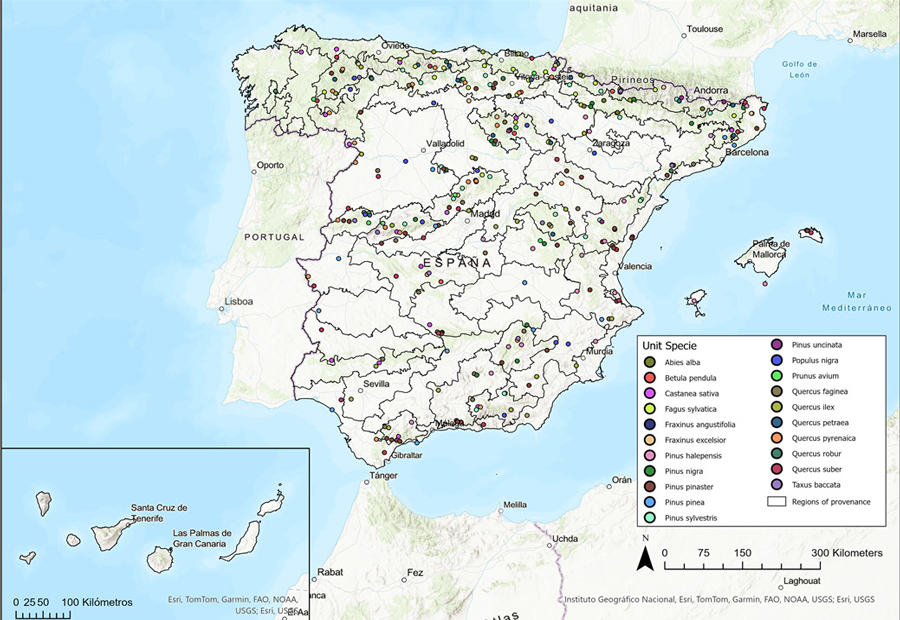
The page also includes a flowchart, two worked examples with downloadable illustrations showing when the Regulation applies and when it does not, and links to the ABS Clearing-House and the EU DECLARE portal. Fuller guidance, with eight real-world examples plus supporting illustrations and videos, is available as a PDF.
The material was developed by the European Forest Institute with LUKE, INRAE, GIS, and BFW.
Discover the full guide: https://www.optforests.eu/eu-access-and-benefit-sharing-abs-regulation-in-practice